 ms
ms
Shengya
Shengya
Shengya
Shengya
Shengya
Shengya
Shengya
Shengya
Shengya

Produk Pengilang
-
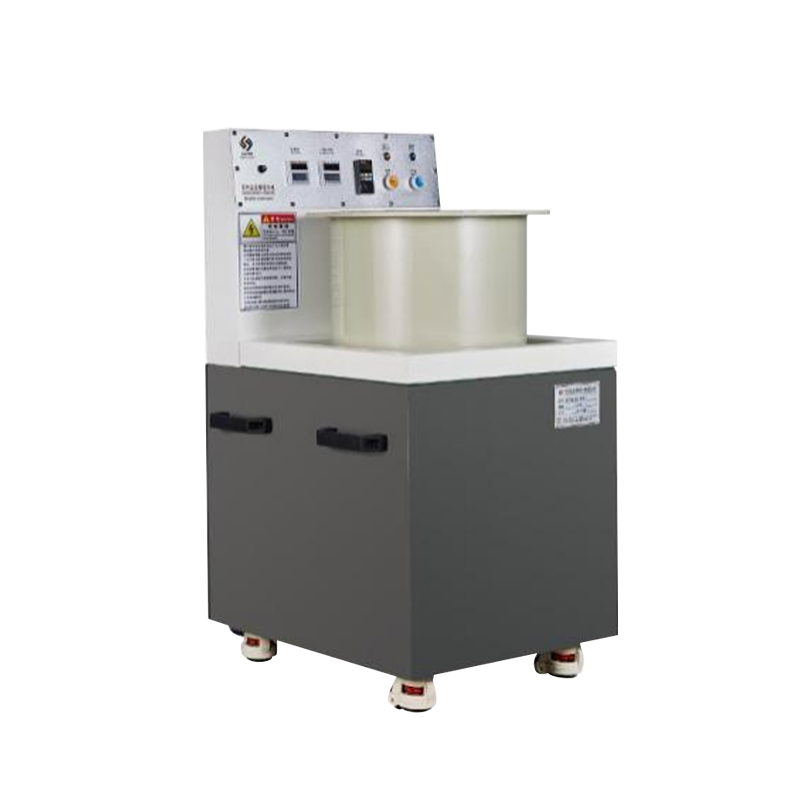

SY8080 Gred Makmal/Ketepatan Kelompok Kecil Mesin Penggilap Deburring Magnet
-
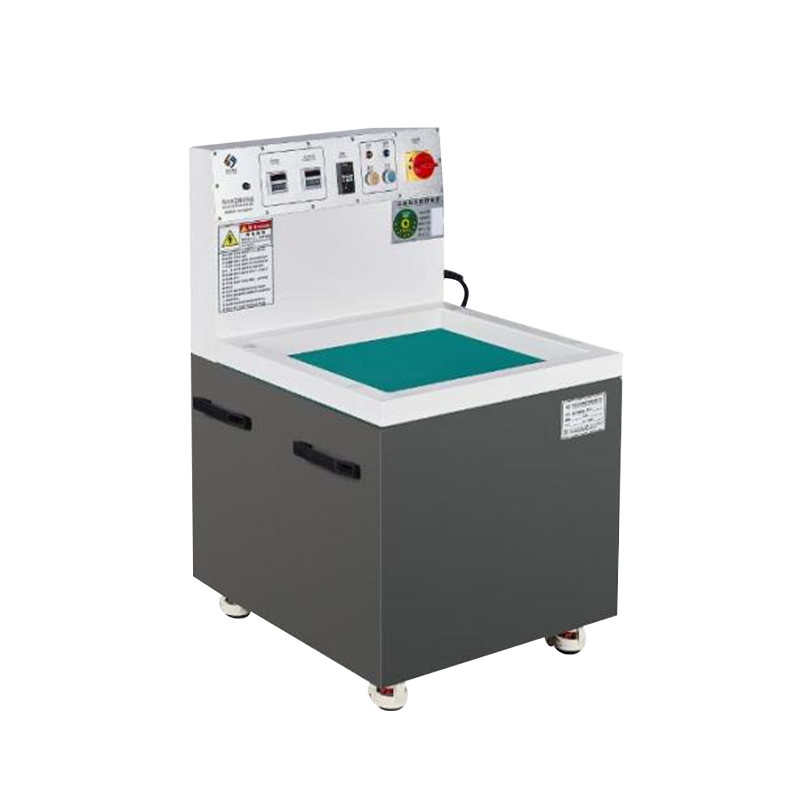
SY8120 Standard Industrial Magnetic Deburring Polishing Machine
-
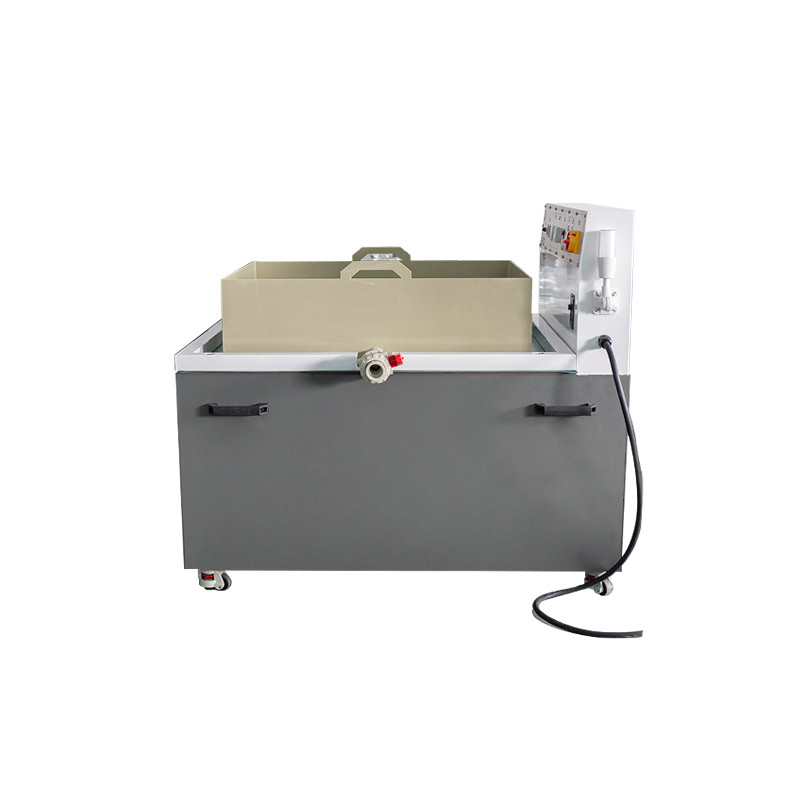
SY1080 Format Lebar/Kapasiti Tinggi Mesin Penggilap Deburring Magnetik Industri
-
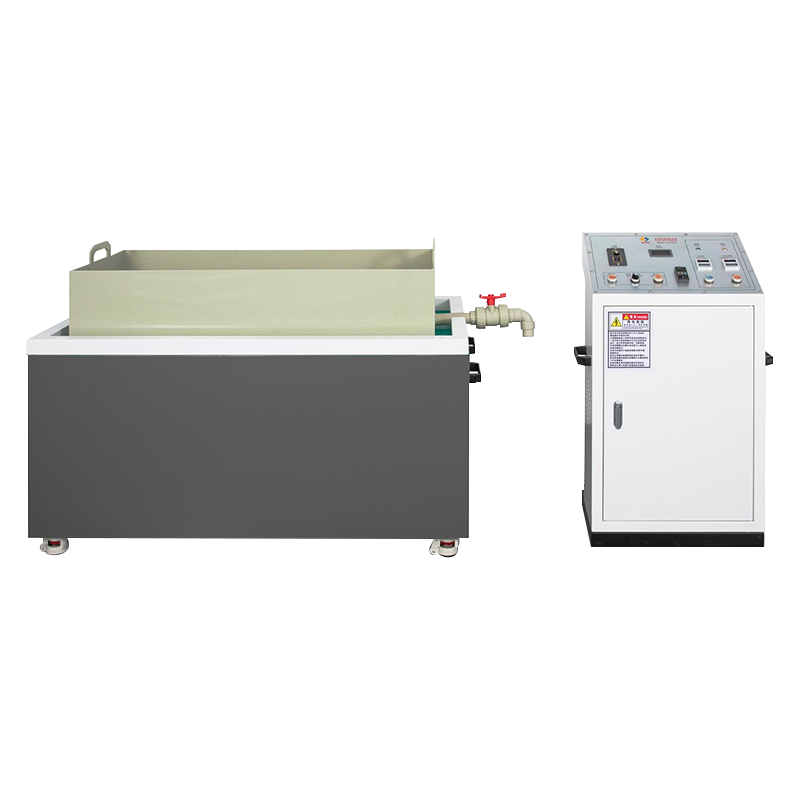
SY1200 Mesin Penggilap Deburring Magnetik Industri Salingan Mendatar/Katil Panjang
-
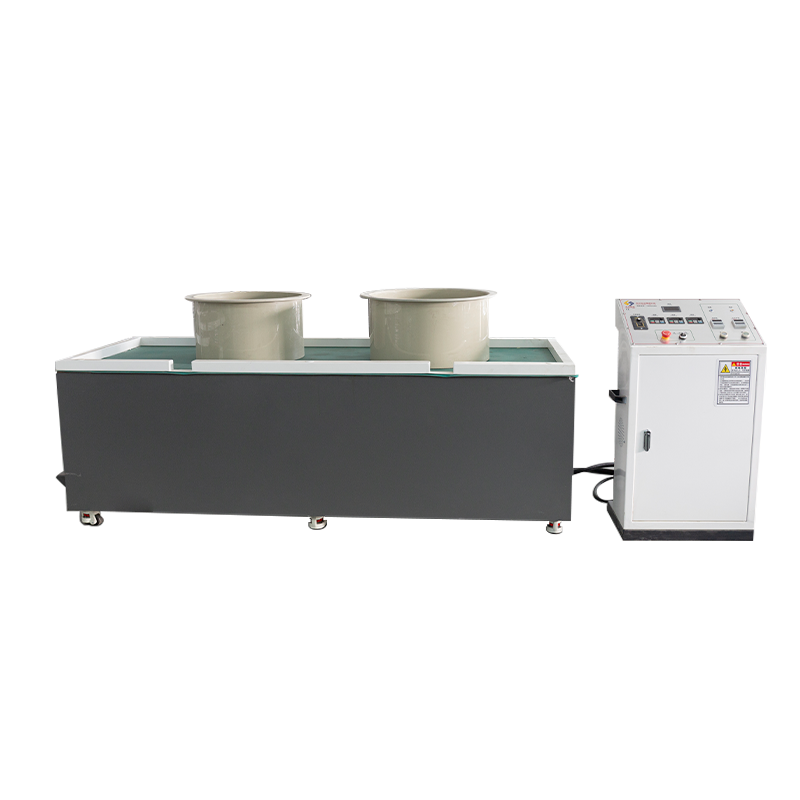
SY1400 Mesin Penggilap Deburring Magnetik Industri Salingan Mendatar / Katil Lanjutan
-
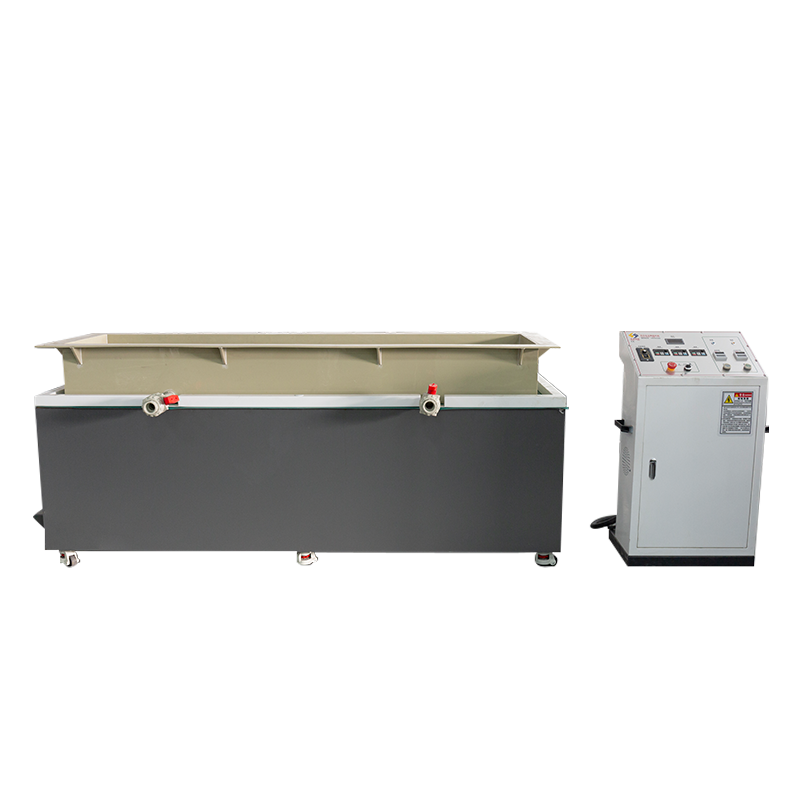
SY1800 Dwi-Drive Heavy-Duty / Mesin Penggilap Deburring Magnet Lebih Panjang
-
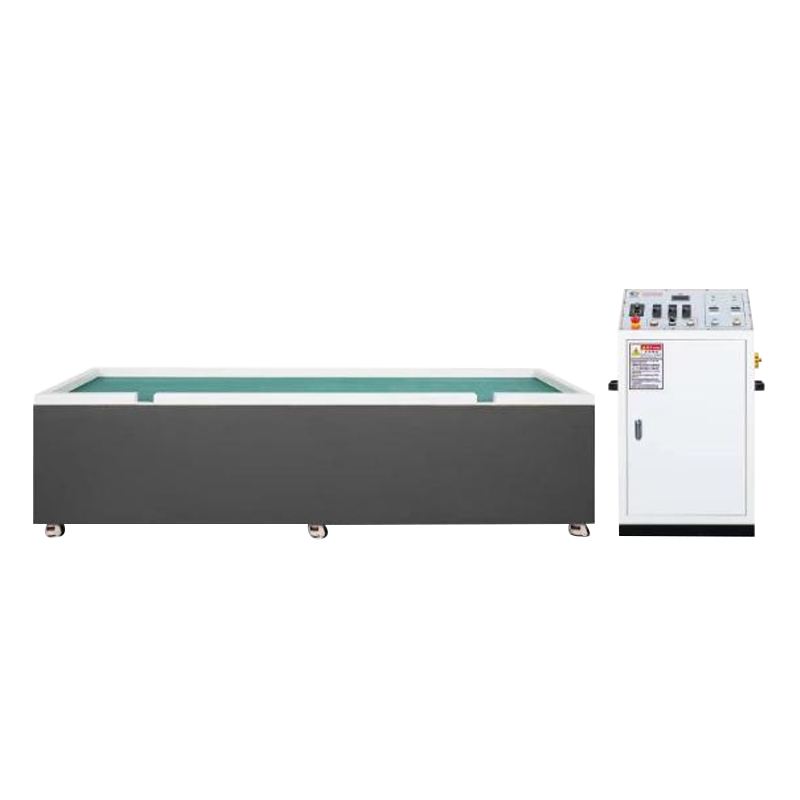
SY2200 Dwi-Drive Mega-Format / Mesin Penggilap Deburring Magnet Kelas 2 Meter
-
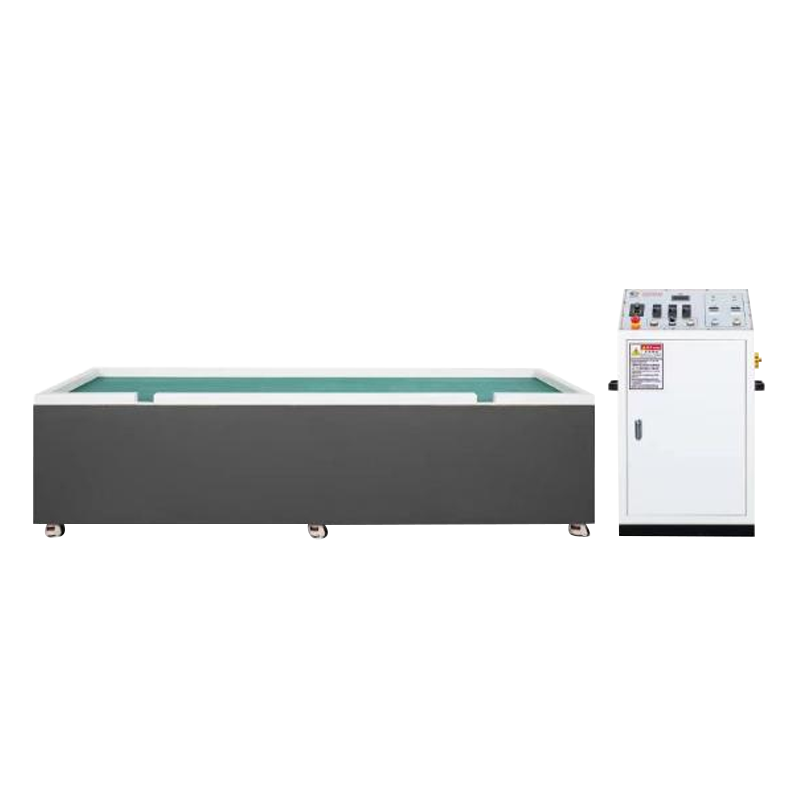
SY2800 Tri-Drive Mega-Class / 2.6-Meter Mesin Penggilap Deburring Magnet Ultra-Panjang
-
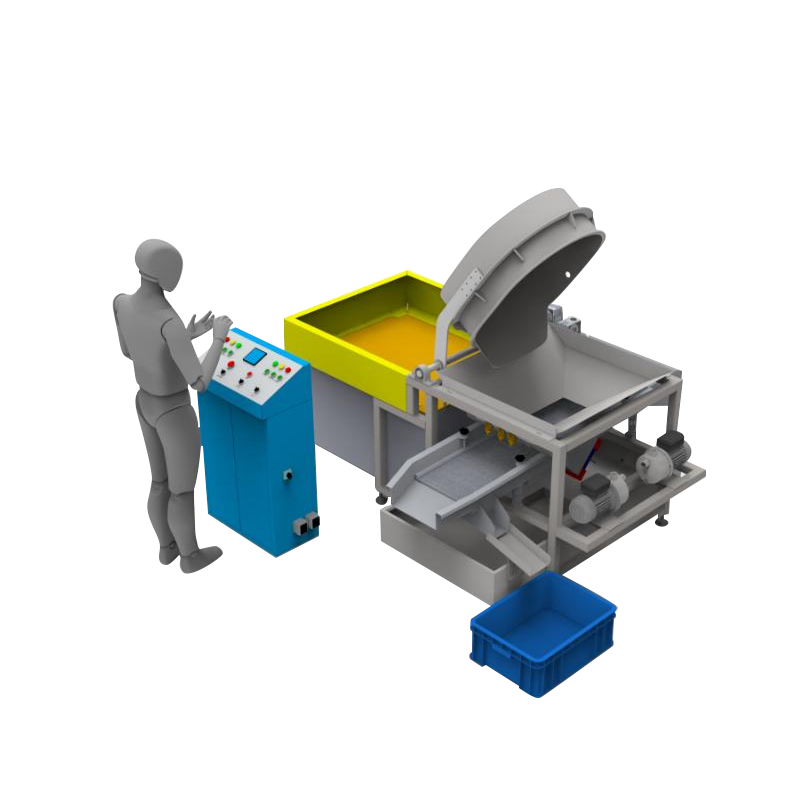
SY-FZ30 Auto-Condong & Salingan / Mesin Penggilap Deburring Magnet Tugas Berat
-
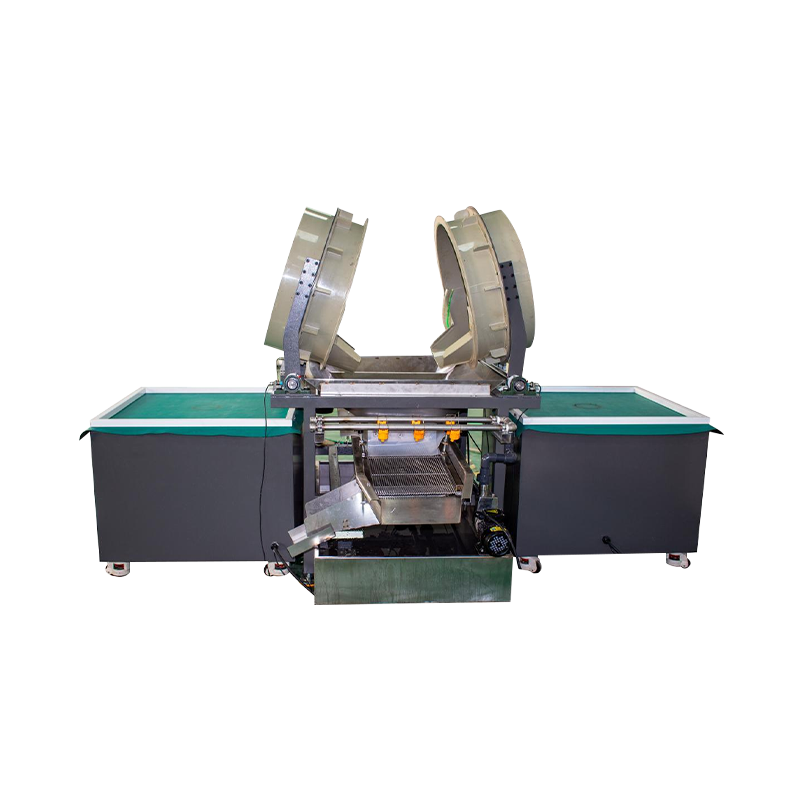
SY-FZ600 Dwi-Stesen Auto-Condongkan / Mesin Penggilap Deburring Magnetik Laluan Tinggi
-
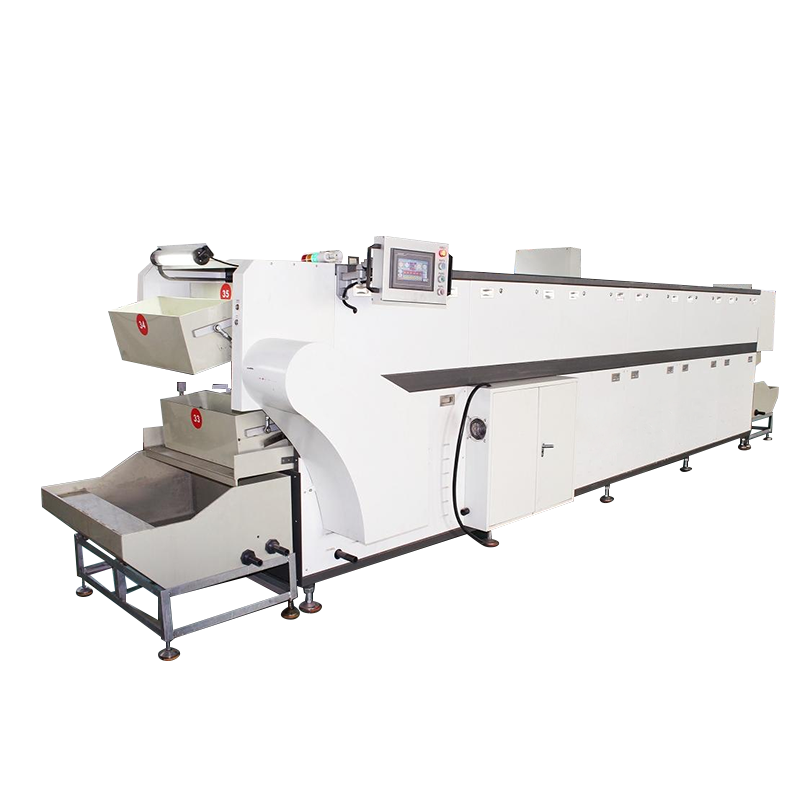
SY-P Series Terusan Berterusan / Mesin Penggilap Deburring Magnet Automatik Dalam Talian
-
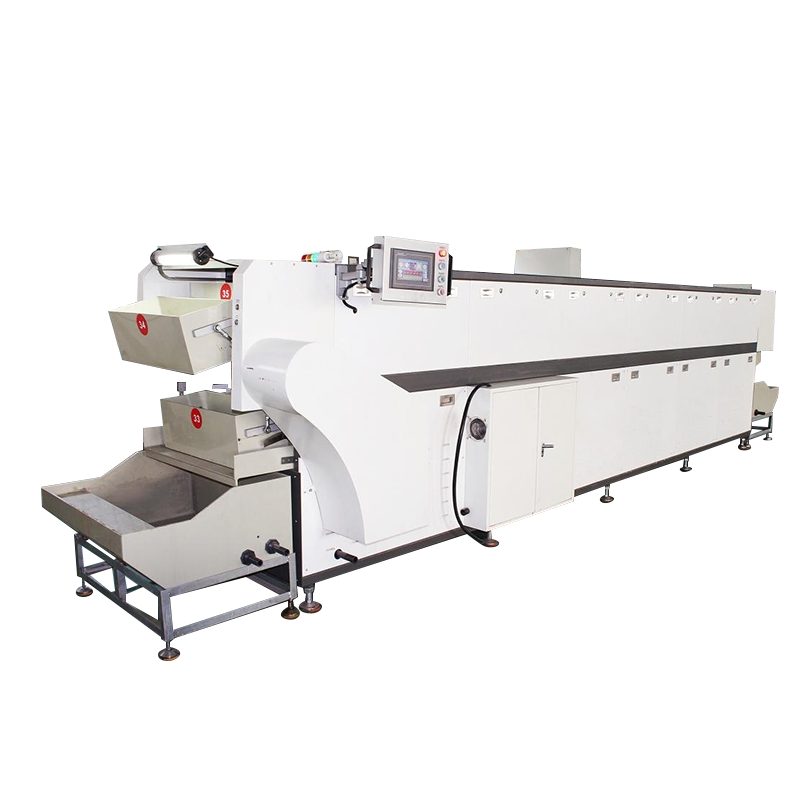
Mesin Penggilap Magnetik Barisan Perhimpunan Automatik
14 TH
Bertahun Pengalaman
Mengenai ShengYa
Suzhou Shengya Precision Machinery Co., Ltd. ialah pengeluar sumber yang mengkhusus dalam penyelidikan, pembangunan, pengeluaran dan penjualan peralatan rawatan permukaan logam. Kami berdedikasi untuk menyediakan pelanggan global penyelesaian bersepadu profesional untuk menggilap, menyahburkan dan membersihkan.
Terletak di Suzhou, Wilayah Jiangsu, China, syarikat itu mengendalikan kemudahan pengeluaran moden seluas kira-kira 2,000 meter persegi bersama pusat R&D khusus. Dengan nilai keluaran tahunan mencecah puluhan juta, ia berdiri sebagai salah satu perusahaan terkemuka dalam sektor peralatan penggilap magnet dan deburring ketepatan China.
-
1000+unit/set
Kapasiti pengeluaran tahunan
-
14+tahun
Pengalaman industri
-
1000+
Kajian kes
-
20+
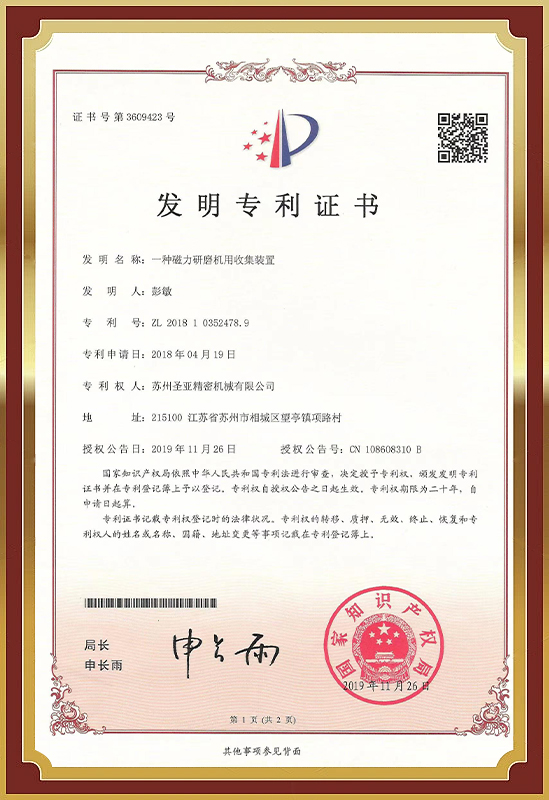
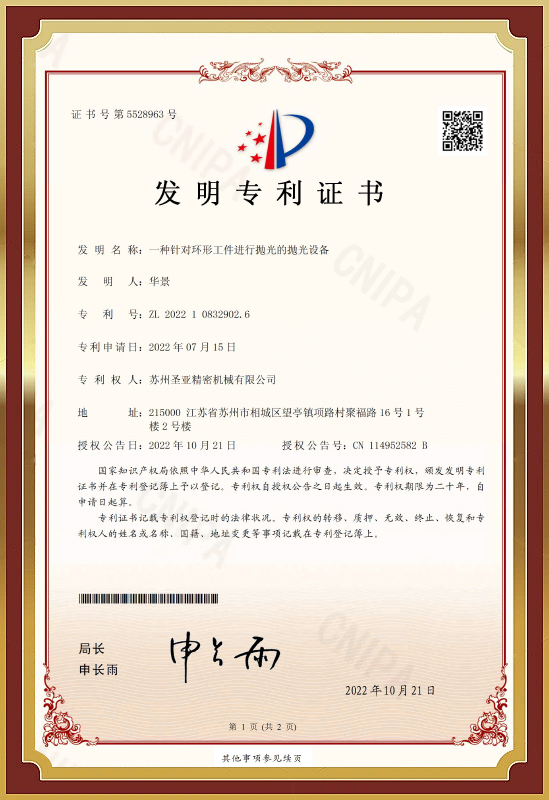
Paten berteknologi tinggi
Pusat Berita
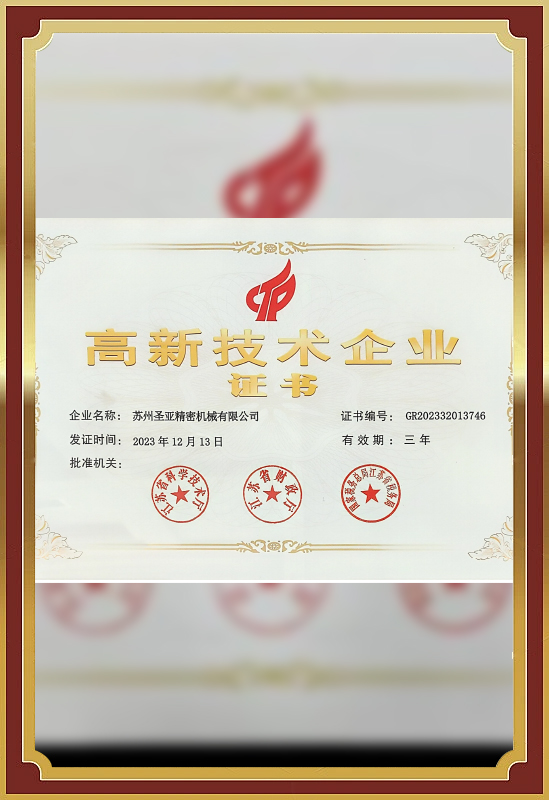
Sijil Kepujian
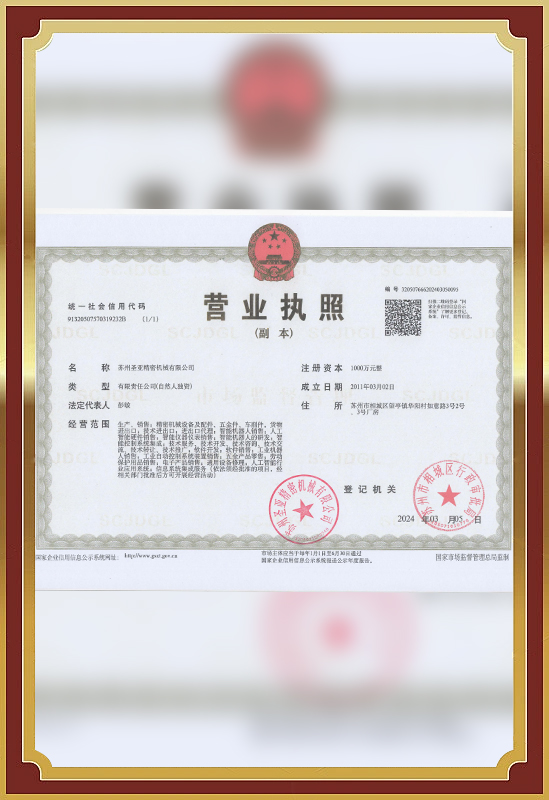
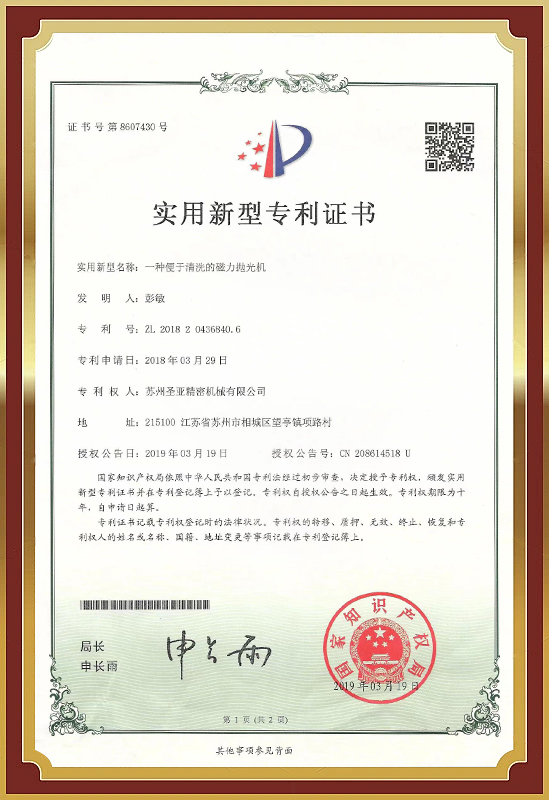
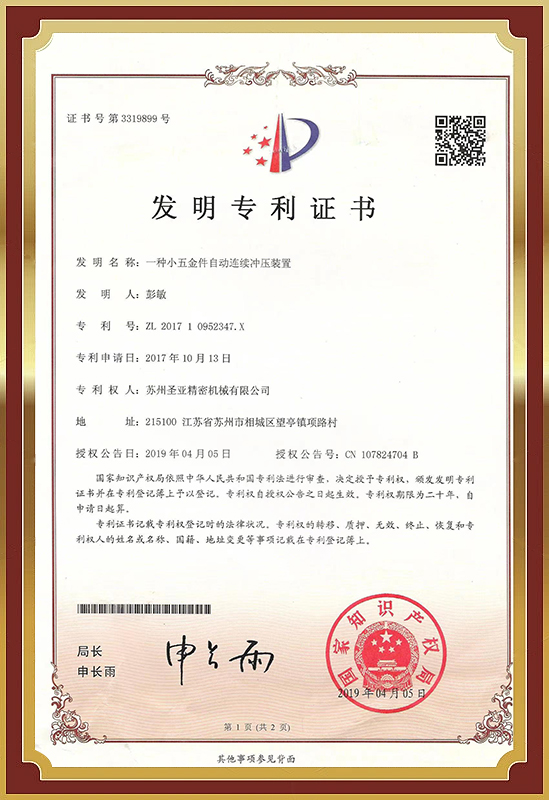
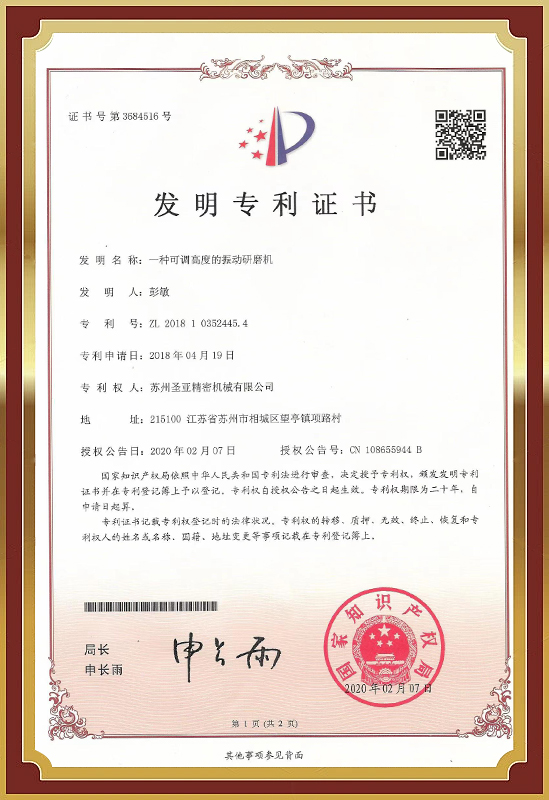
Produk Pengetahuan industri
Understanding the Magnetic Field Dynamics in Precision Surface Treatment
The core mechanism of modern Magnetic Polishing Equipment relies on precisely engineered electromagnetic arrays that generate a rotating, multi-directional magnetic flux. Unlike centrifugal barrel systems that depend on gravitational sliding, this technology induces controlled micro-collisions between non-magnetic stainless steel abrasive pins and the target workpiece. The magnetic field lines penetrate through non-conductive materials and complex internal geometries, ensuring that deburring and edge radiusing occur uniformly across blind holes, threaded channels, and intricate lattices. Operators achieve consistent surface roughness reductions from Ra 0.8 μm down to Ra 0.1 μm without compromising critical dimensional tolerances, which is particularly vital for high-precision aerospace valves and medical implant components.
Optimizing Abrasive Media Selection and Fluid Chemistry
Selecting the appropriate magnetic polishing medium requires balancing pin diameter, aspect ratio, and material hardness against the workpiece alloy characteristics. Shorter pins with diameters below 0.5 mm are ideal for micro-deburring delicate electronic housings, while longer, tapered needles provide aggressive stock removal on CNC-machined steel parts. The accompanying polishing fluid must be formulated with specific surfactants and chelating agents to prevent oxidative staining on aluminum or copper alloys while effectively suspending removed metal particulates. Maintaining a fluid pH between 8.5 and 9.5 extends media lifespan, reduces frictional heat generation, and ensures a bright, contaminant-free finish across extended production batches.
| Media Diameter | Optimal Application | Recommended Cycle Time |
| 0.3 mm | Micro-pores, connectors, watch components | 5–8 minutes |
| 0.6 mm | General CNC parts, automotive fasteners | 8–12 minutes |
| 1.0 mm | Heavy deburring, casting risers, structural frames | 10–15 minutes |
Essential Maintenance Protocols and Operational Troubleshooting
- Regularly inspect the magnetic drive assembly for coolant leakage or abrasive slurry accumulation, as trapped debris can accelerate bearing wear and degrade rotational consistency.
- Implement a scheduled media replacement cycle based on particle fracture observation; severely deformed or rusted pins will scratch workpieces instead of polishing them.
- Monitor electrical current draw during load variations; a sudden spike typically indicates magnetic clutch slippage or an overloaded workpiece basket, requiring immediate parameter adjustment.
- Flush the internal filtration system with a mild alkaline cleaner weekly to prevent microbial growth in stagnant polishing fluids, which directly impacts surface brightness and odor control.
When addressing inconsistent finishing results, operators should first verify the gap between the workpiece and the magnetic poles. Excessive clearance reduces magnetic coupling efficiency, while insufficient clearance restricts fluid circulation and media mobility. Calibrating the rotational frequency in incremental 10 Hz steps helps identify the resonance point that maximizes abrasive impact without inducing part deformation. Additionally, ensuring that ferrous workpieces are securely fixtured prevents magnetic interference from altering the polishing trajectory, thereby maintaining batch-to-batch repeatability.
Integrating Advanced Surface Treatment Solutions in Modern Manufacturing
The evolution of metal finishing demands tightly integrated equipment ecosystems that combine mechanical precision with adaptive process control. Suzhou Shengya Precision Machinery Co., operates as a dedicated source manufacturer specialising in the research, development, production and sales of metal surface treatment equipment, delivering professional integrated solutions for polishing, deburring and cleaning to global clients. Situated in Suzhou, Jiangsu Province, China, the enterprise manages a modern production facility spanning approximately 2,000 square metres alongside a specialised R&D centre, enabling rapid prototyping and custom engineering for complex polishing challenges. With an annual output value reaching tens of millions, the company has established itself as a leading enterprise in China's magnetic polishing and precision deburring equipment sector, consistently providing manufacturers with reliable machinery that reduces manual finishing costs, eliminates surface defects, and accelerates downstream coating or assembly workflows.

- Tambah: ####
- Tel: +86-512-66727763
- Telefon: ####
- E-mel: ####
produk
Pautan Pantas
Hubungi Kami
Hak Cipta © Suzhou Shengya Precision Machinery Co., Ltd.Hak Cipta Terpelihara.
 Pengeluar Mesin Penggilap Magnetik Tersuai
